Tools:
Unity, Makey Makey, Physical Prototyping
Project Type:
Speculative Game Design & User Research
Duration:
4 weeks (Aug 2021)
Project type:
Speculative Game Design & User Research
Cooperative Multiplayer Gameplay for Kids Post Pandemic
The Challenge & Research
Designing for Social Reconnection
På Dybt Vand (In Deep Waters) is a collaborative game design project developed at Aarhus University for the Gameplay Design course. The project explored how games could help children rebuild social interaction and cooperation skills following the isolation caused by the COVID-19 pandemic.
Research conducted during the project highlighted how lockdowns and limited peer interaction negatively affected children’s social development, particularly for children aged 8–12 where cooperative play is an important part of learning communication and teamwork skills.
Our challenge was to create a game that:
Encouraged real-world social interaction
Required collaboration rather than competition
Felt intuitive and inviting for children
Could be played socially in public spaces
Rather than creating a purely digital experience, we wanted the interaction between players to become the core mechanic of the game itself.
Research & Design Principles
The project began with research into children’s mental health during COVID-19, cooperative play theory, and game design frameworks. We explored how physical interaction and shared mechanics could strengthen communication and engagement between players.
One key insight came from studies showing that movement-based and shared physical controllers increase both verbal and non-verbal interaction between players. This inspired us to move away from traditional controls and instead design custom physical interactions that players had to perform together.
From this research, we established three core design principles:
Collaboration should be mandatory
Physical interaction should feel playful and natural
The experience should prioritize immersion and exploration over competition
Moodboards and early storyboards helped define the visual direction and emotional tone of the experience. We intentionally designed the world to feel calm, exploratory, and approachable for children.
Concept Development & Gameplay Design
Building the Experience
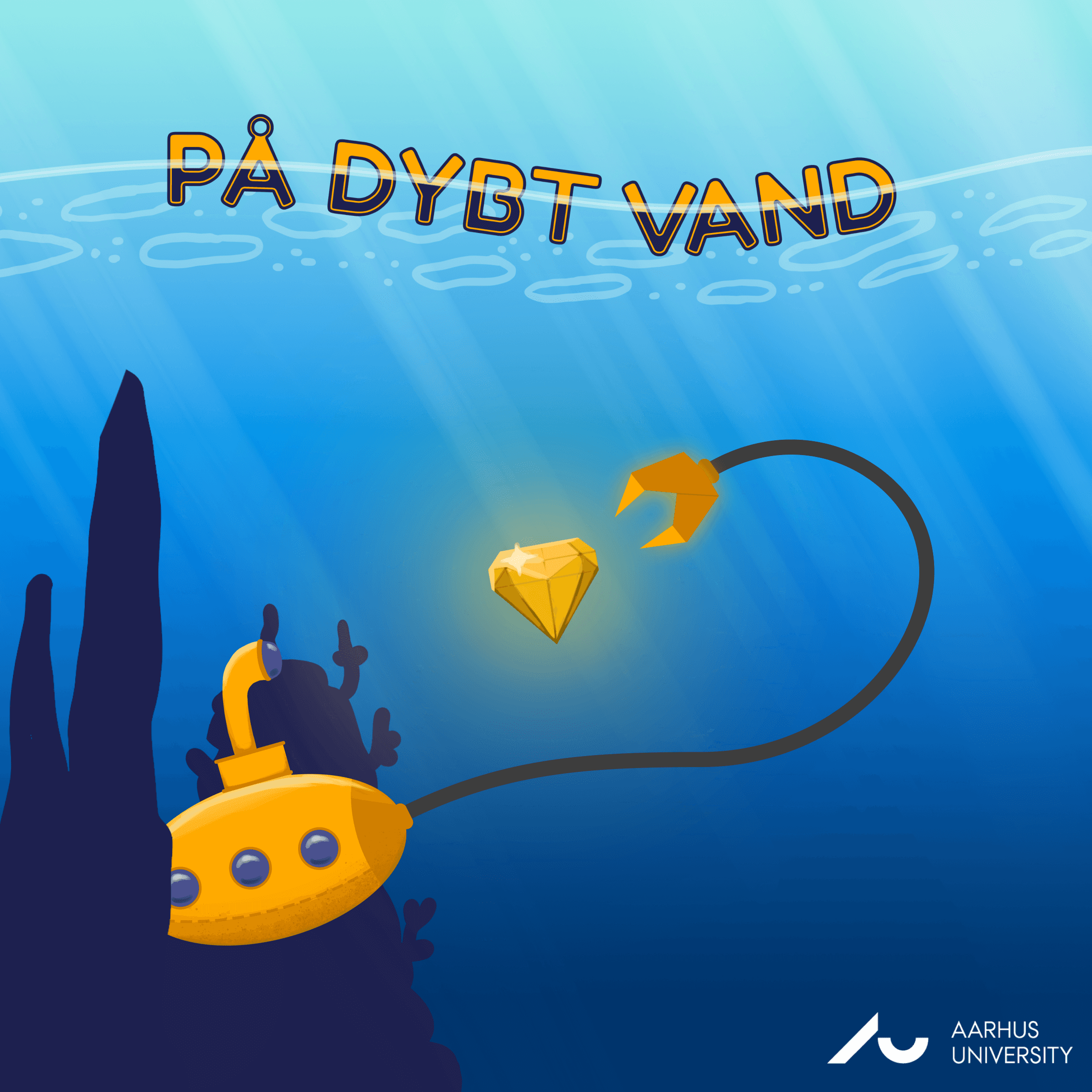
The final concept became In Deep Waterx: a cooperative submarine exploration game where players work together to collect treasure and navigate underwater obstacles.
The gameplay was intentionally designed around shared responsibility:
One player controlled the submarine’s movement using large floor pads
Another controlled a retractable claw using a custom-built handheld controller
Additional interactions required players to physically connect through gestures such as high-fives or elbow bumps to activate gameplay mechanics
This structure forced communication and coordination between players, making cooperation essential rather than optional.
Physical Interaction Design
A major focus of the project was designing alternative physical controls that encouraged movement and social interaction. Instead of relying on standard keyboard inputs, we built custom controllers using cardboard, conductive tape, Makey Makey hardware, and modified mouse components.
The physical setup transformed gameplay into a shared social activity. Players had to move, communicate, and coordinate in the same physical space, reinforcing the project’s core goal of rebuilding social interaction through play.
The game itself was developed in Unity, combining digital gameplay with handcrafted interaction design.
Playtesting, Iteration & Reflection
Testing With Children
We conducted playtesting sessions with local school children to evaluate both the gameplay experience and the social dynamics between players.
While the children were highly engaged, observation revealed several usability challenges:
Players struggled to recognize when the submarine took damage
Some role interactions were unclear
The first controller prototype resembled a joystick, leading to unintended behavior
These insights led to several iterations:
Improved visual feedback and enemy readability
Redesigned claw controls for more natural movement
Updated controller shapes to better communicate intended interactions
My Role & Key Learnings
My contributions focused on:
Research into children’s mental health and social interaction during COVID-19
Speculative design vision and concept development
Experience design and cooperative gameplay direction
Design documentation and theoretical framing
Playtesting analysis and iterative design improvements
One of the project’s biggest takeaways was learning how strongly player behavior can be shaped through interaction design. Small changes in physical affordances significantly influenced how children communicated, collaborated, and engaged with one another.
Outcome
In Deep Water explored how games can function as tools for social connection rather than just entertainment. By combining research, physical prototyping, digital design, and user testing, the project demonstrated how cooperative play can encourage communication, empathy, and teamwork in meaningful ways.